
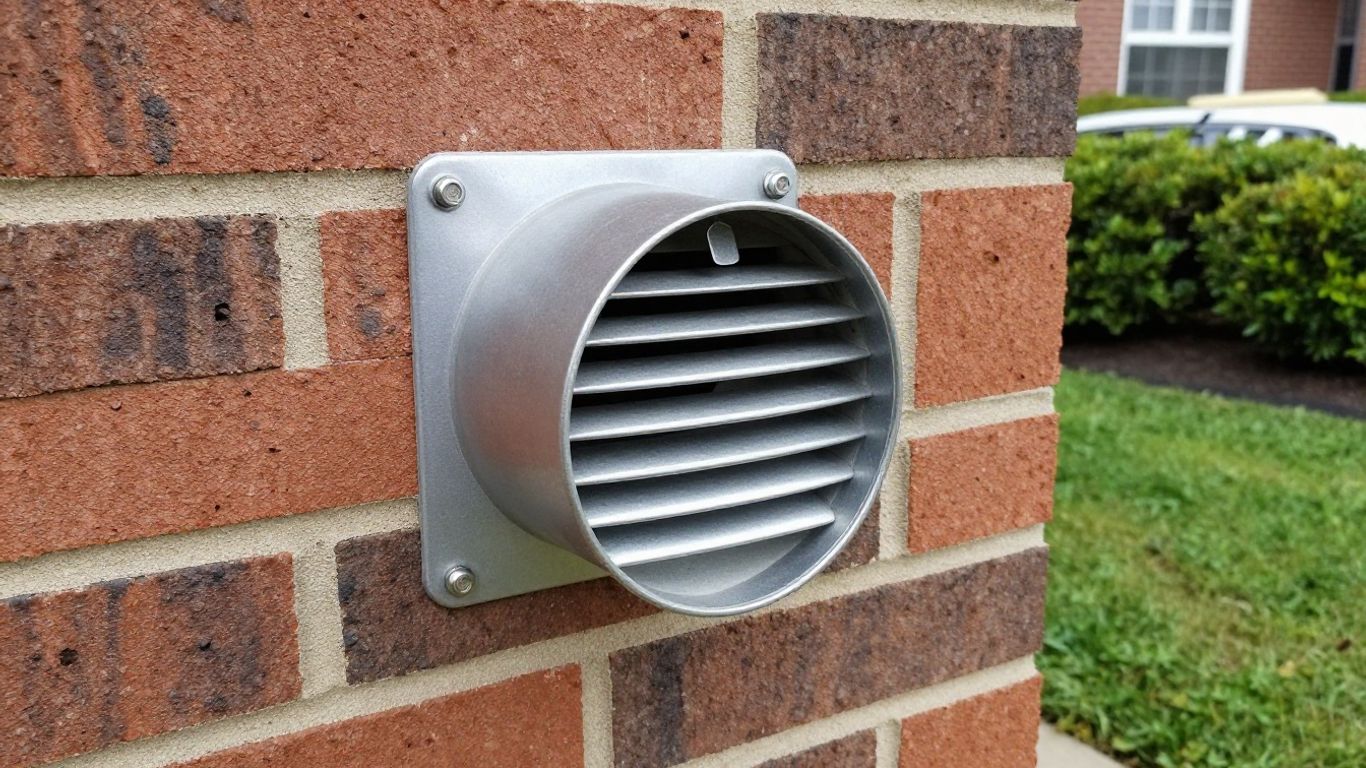
Spotting birds in dryer vent openings is more common than most homeowners expect — and it’s not something to leave alone. A vent is one of the easiest, warmest entry points on the outside of a house, and once a nest takes hold, it brings fire risk, bad odors, and health concerns along with it. Here’s why it happens, how to spot it early, and what to do about it.
Why Birds Nest in Dryer Vents
Warmth and Shelter
A dryer vent behaves a lot like a hollow tree cavity: enclosed, dry, and shielded from wind and rain. Warm air pushing through the duct every time the dryer runs makes it even more appealing, especially as birds start scouting nesting sites in early spring.
Protection from Predators
The metal or plastic housing of a vent is hard for snakes, hawks, and outdoor cats to get into, and the small opening keeps most threats out entirely. Because vents are mounted up on an exterior wall and often hidden behind a small flap, a nest can be built and occupied for weeks before anyone notices.
Signs of Birds in a Dryer Vent
- Chirping or scratching sounds coming from behind the laundry room wall, especially early in the morning
- Weak airflow or longer dry times, since a nest blocks the duct and forces the dryer to work harder
- Grass, twigs, or straw caught in the exterior vent opening
- Debris on the ground directly below the vent
- A musty or foul smell in the laundry area from trapped moisture and droppings
The Risks of a Bird’s Nest in Your Vent
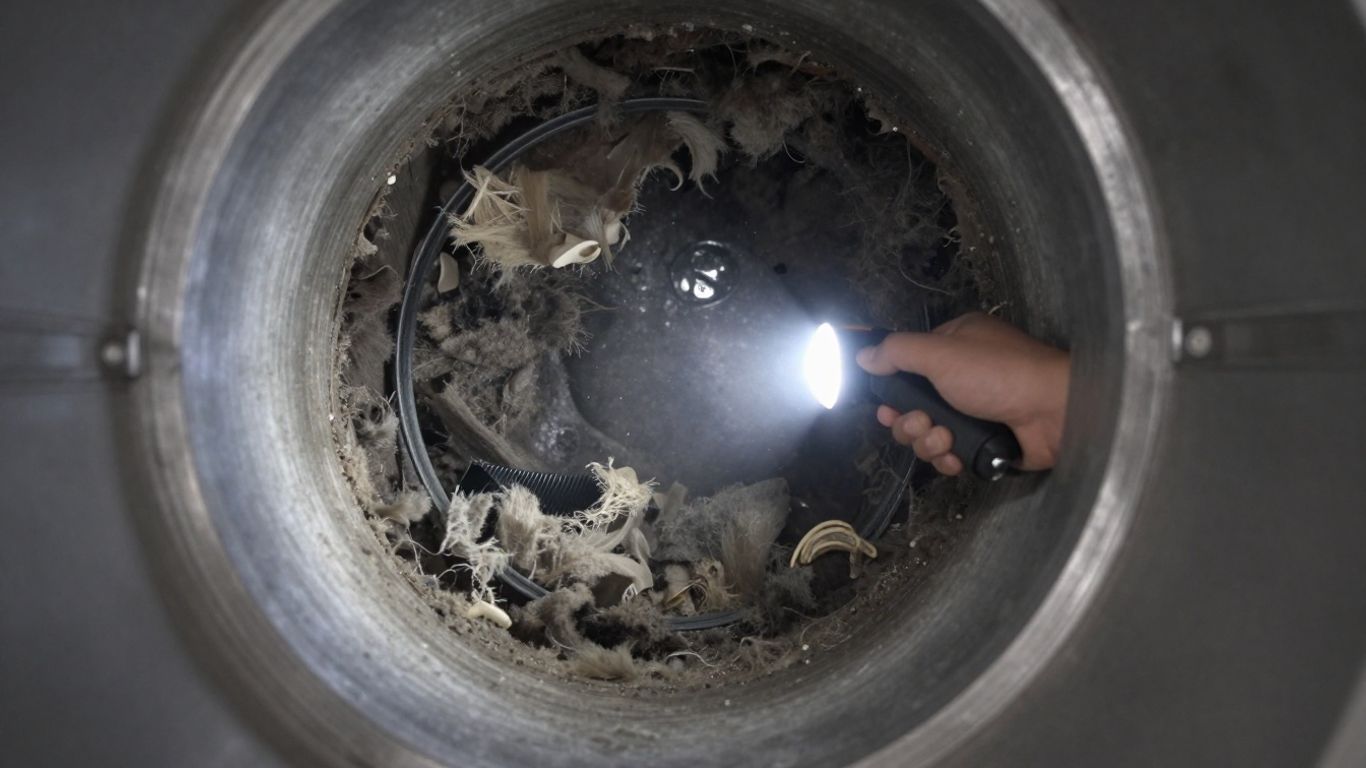
Fire hazard. Dry nesting material sitting in a duct that regularly runs hot is a genuine ignition risk, and it compounds any lint buildup already in the system. If you suspect a nest, stop running the dryer until the vent is clear.
Health concerns. Bird droppings and nests can carry mites, ticks, and other parasites, and trapped moisture in the duct encourages mold growth — both of which affect the air quality in your home.
Vent damage. Persistent nest-building can also stress or damage the duct and its exterior flap over time, leaving the opening even easier for birds to get through next season.
How to Safely Remove Birds From a Dryer Vent
If there are eggs or chicks present, the safest and most humane approach is to wait. Most species fledge within a few weeks, and in many areas active nests are protected by law until then — hang-dry laundry in the meantime rather than running a blocked vent.
If the nest is inactive, remove the exterior cover, clear it out by hand or with a shop vacuum, and make sure every scrap of material is gone before reassembling. If you’re not comfortable handling it yourself, or the nest is further back in the ducting, a professional can safely clear and inspect the full vent run.
Preventing Birds From Coming Back
A properly fitted, animal-resistant vent cover is the most reliable fix — one built to let air and lint pass through while keeping the opening too small for a bird to get inside. Beyond the cover itself, a quick seasonal check of the vent flap and keeping the lint trap clean after every load go a long way toward keeping the space unappealing to nest in.
The Bigger Picture: Sealing Entry Points Around Your Home
A dryer vent is just one of several openings around a house that unwanted visitors treat as easy access — eaves, foundations, and window frames work the same way, and they’re common access points for spiders, earwigs, and ants. This is exactly what BuzzGuard’s Mosquito, Tick, & Structure Defence service is built to handle. It’s a dual-action service: our technicians first mechanically remove existing webs and egg sacs from your home’s exterior, then apply a perimeter treatment around the foundation and entry points to stop spiders, earwigs, and ants from getting in. We focus on the “architectural highways” pests use to access your home, the same category of gap a loose vent cover falls into. Where a vent guard handles the dryer vent itself, Structure Defence covers the rest of the perimeter, keeping the whole exterior harder to get into.
Conclusion
Birds in a dryer vent are a fixable problem, but timing and follow-through matter. Confirm whether the nest is active before doing anything, clear it out properly once it’s safe to, and install a cover that’s actually built to keep birds out. Pairing that with regular perimeter protection keeps the rest of your home’s exterior just as well sealed.
Frequently Asked Questions
Is it illegal to remove a bird’s nest from a dryer vent?
In many areas, yes, while it’s active. Nests with eggs or chicks are often protected until the young have fledged, so it’s usually necessary to wait before clearing them out.
How can I tell if a nest is still active?
Adult birds coming and going regularly, visible eggs, or chirping from inside the duct are all signs the nest is still in use.
Should I run my dryer if I think there’s a nest inside?
No. Stop using it right away — the heat can ignite dry nesting material, and a blocked vent puts extra strain on the dryer’s motor.
How long do baby birds stay in the nest before I can remove it?
Most species fledge within two to three weeks of hatching. Once the nest is confirmed empty, it’s safe to clear.
Will a bird’s nest damage my dryer?
It can. A blocked vent forces the dryer to run longer and hotter to dry a load, which adds wear to the motor and heating element over time, on top of the fire risk.
Can bird parasites get into my home through the dryer?
Yes — mites and other parasites from a nest can migrate into the ducting and, from there, closer to living spaces.
Do metal vents keep birds out?
Not by themselves. Metal ducting holds up better than plastic, but birds can still get inside unless the opening has a proper guard fitted over it.
How often should I check my exterior dryer vent?
At least once a season is a good baseline, with extra attention in early spring when nesting activity picks up.
Can I just use a window screen instead of a vent guard?
It’s not a good substitute — fine mesh traps lint, restricts airflow, and can become a fire hazard of its own. A vent guard designed for the job is the safer choice.